0YRS
Avg. Maturation
From seedling to harvest
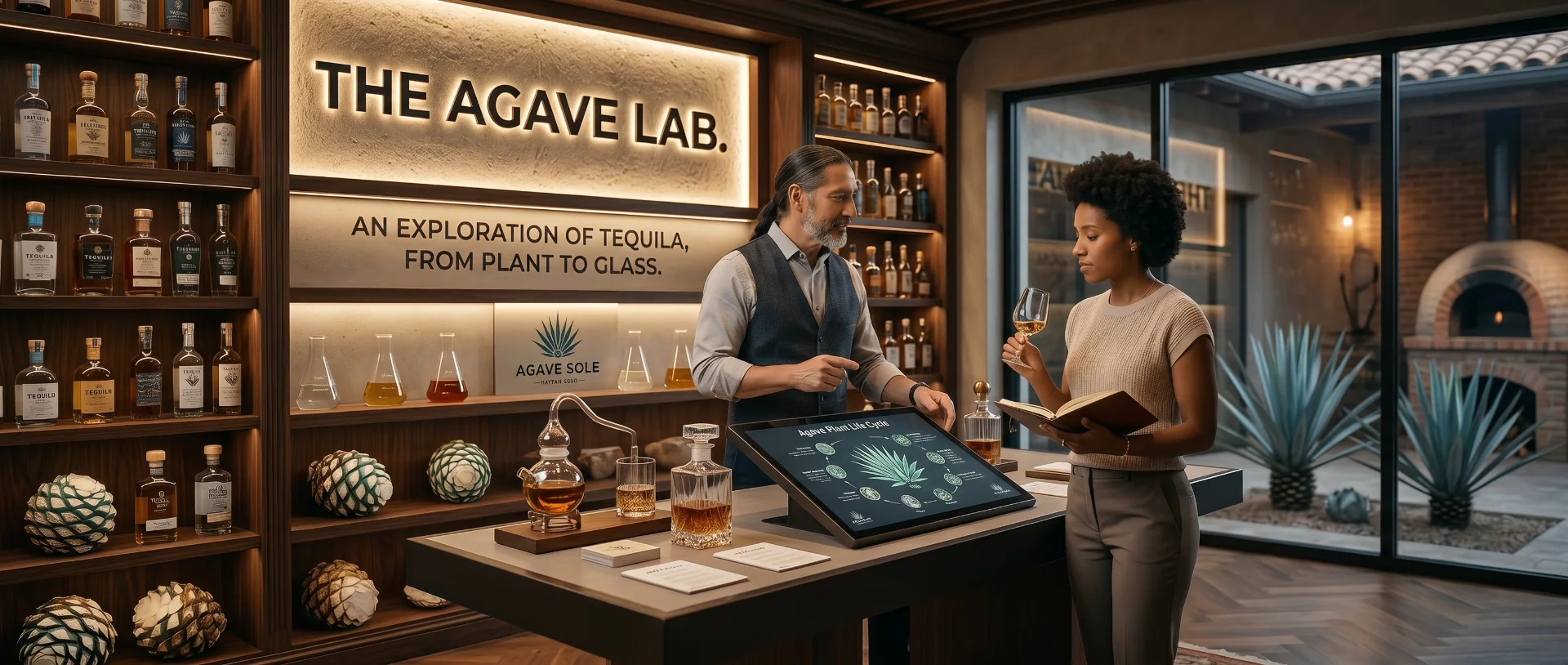
Every great tequila begins as a botanical argument — the right species, the right slope, the right patient decade. Scroll the right column; the specimen on the left shifts to show you where each chapter lives on the plant.
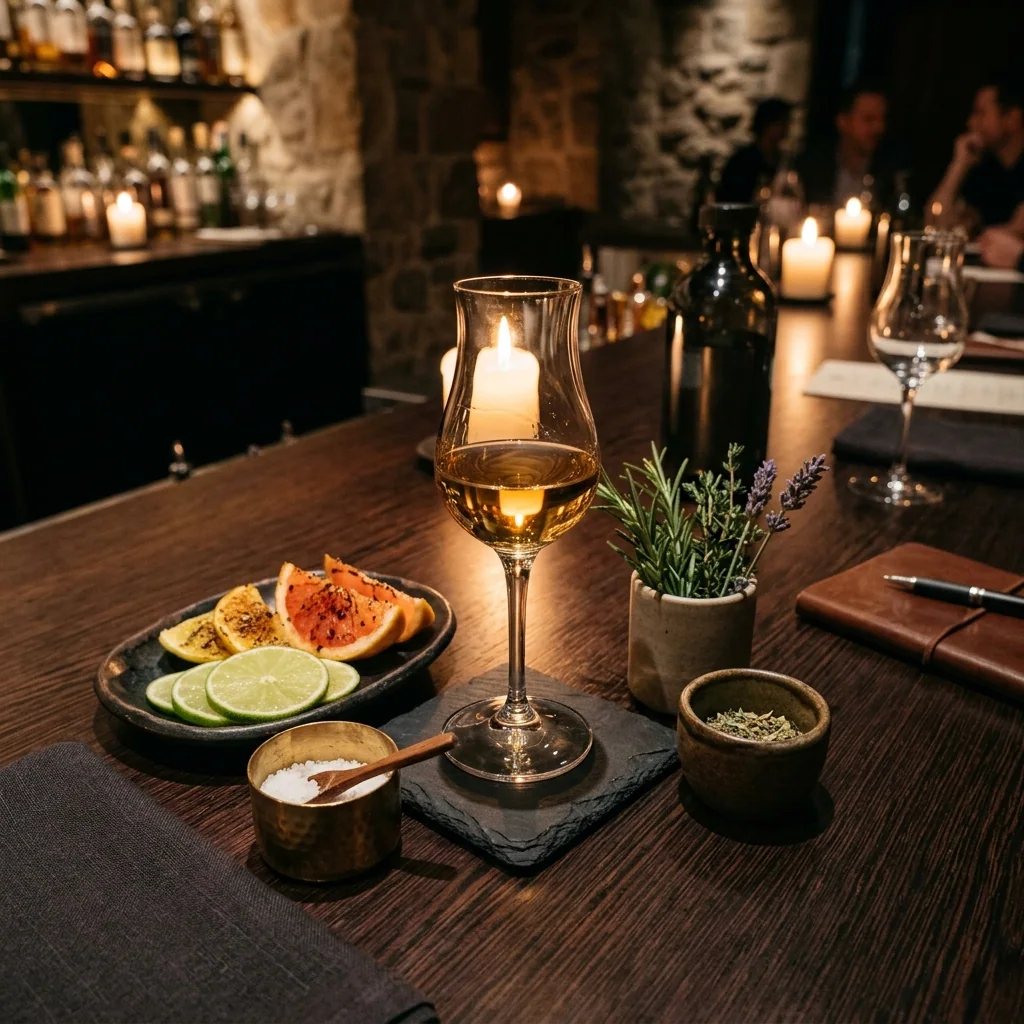 01
Strip away the marketing and the folklore. Tequila is a protected denomination, five regions, one plant, and an unforgiving spec sheet. Here is what's in the glass — and why it's worth the eight-year wait.
 02
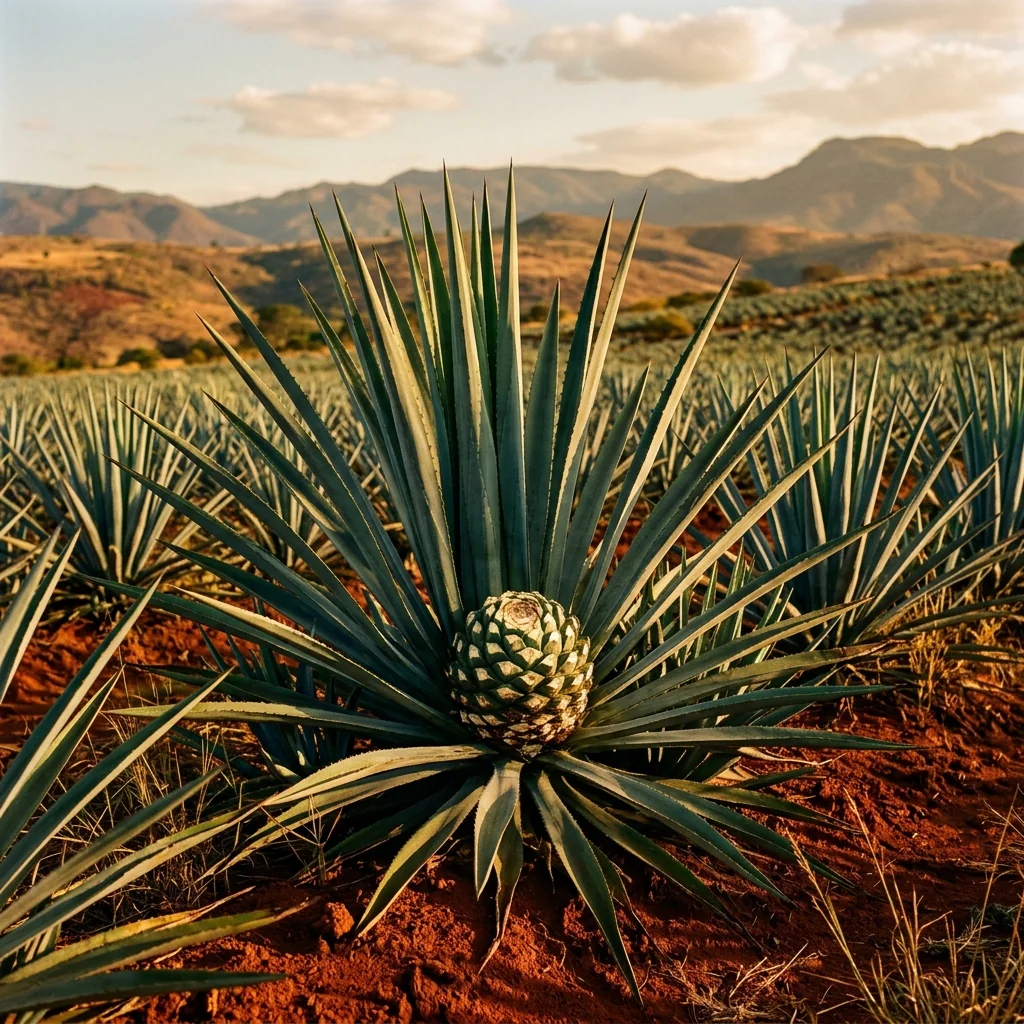
Agave tequilana Weber Azul is a monocarpic desert monocot — 200+ species in the genus, one species allowed by law, a single lifetime, one flower, one harvest. Read the leaves before the jimador does.
 03
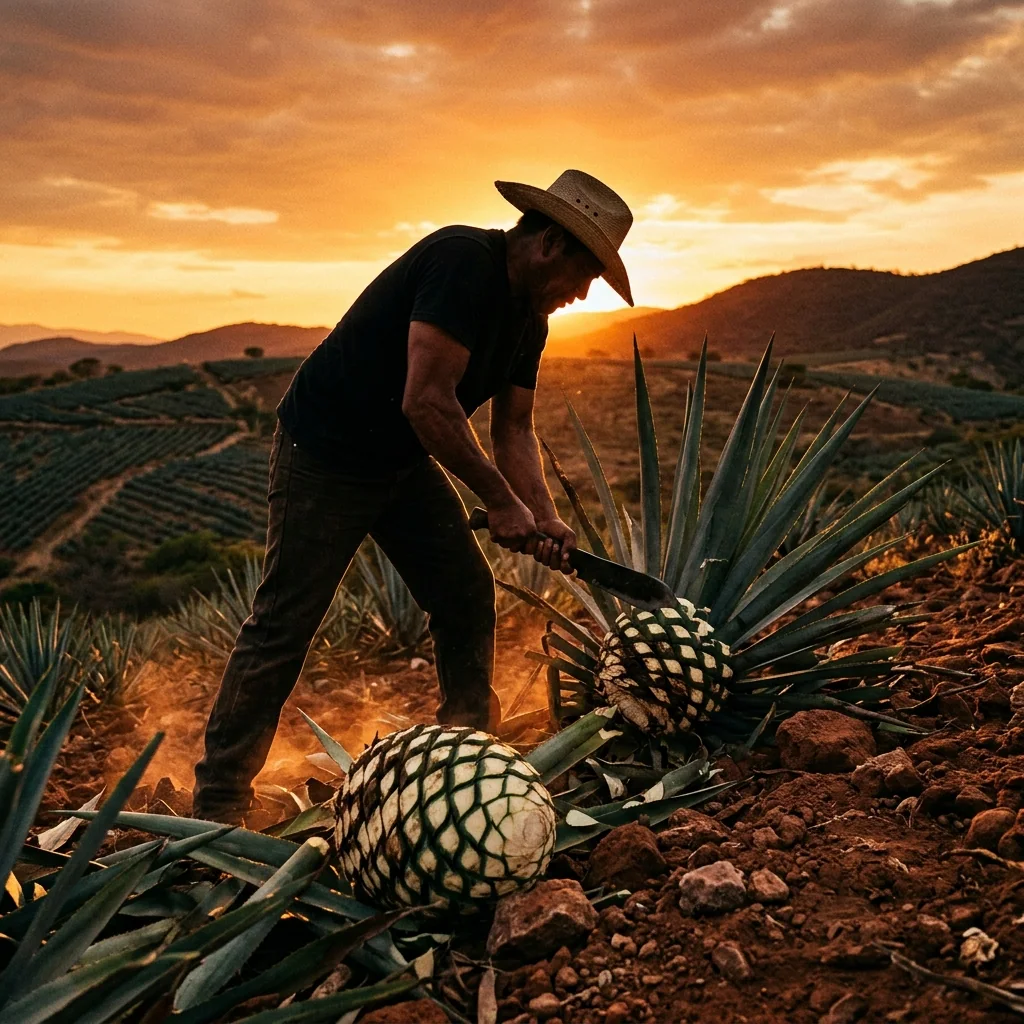
Los Altos sits 2,150 m up, where the nights bite and the clay bleeds iron — that altitude stress pushes the piña toward florals and citrus. El Valle brings earth and pepper. Neither is better. They're chapters of the same book.
 04
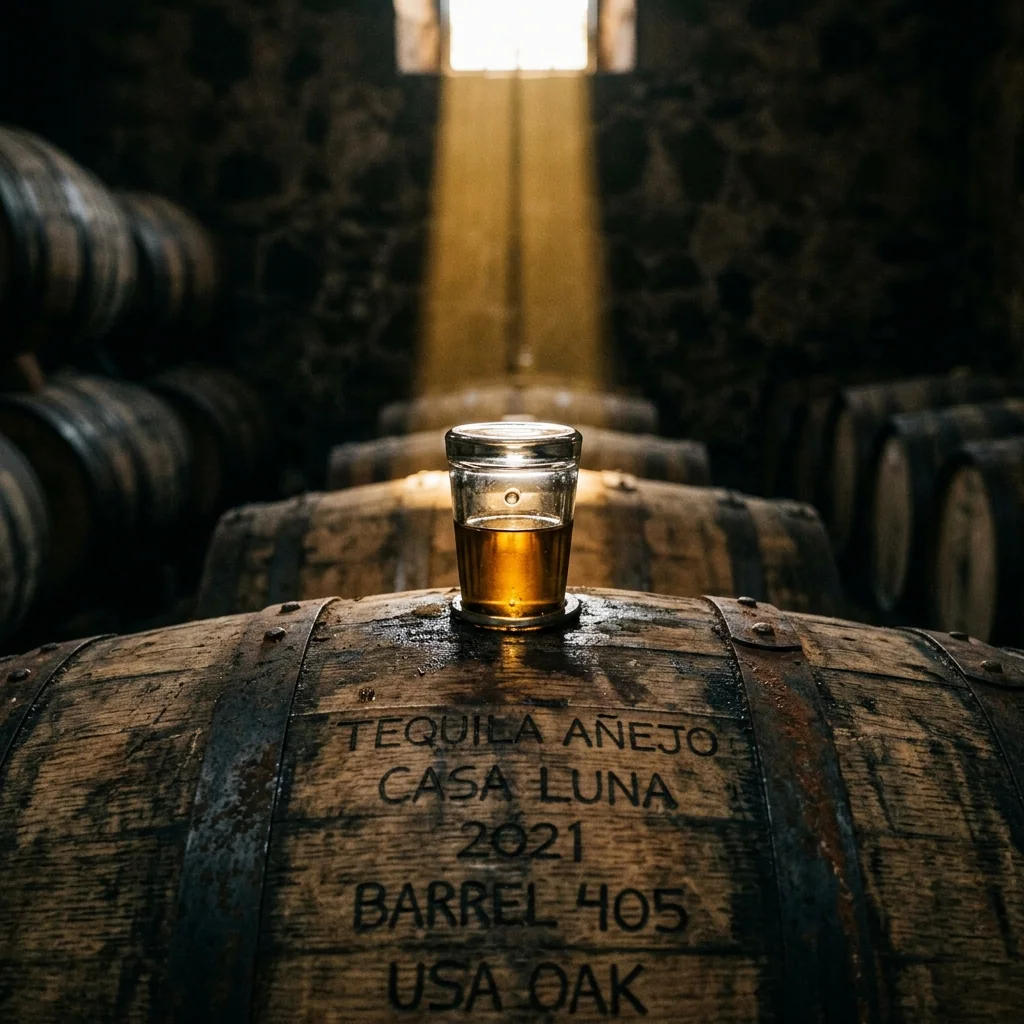
Inside the cask, tequila negotiates with the wood — tannins, vanillin, lactones, char. Ex-bourbon hands over caramel and toast; French oak leans spice and silk. The barrel is a slow, patient co-writer.
 05
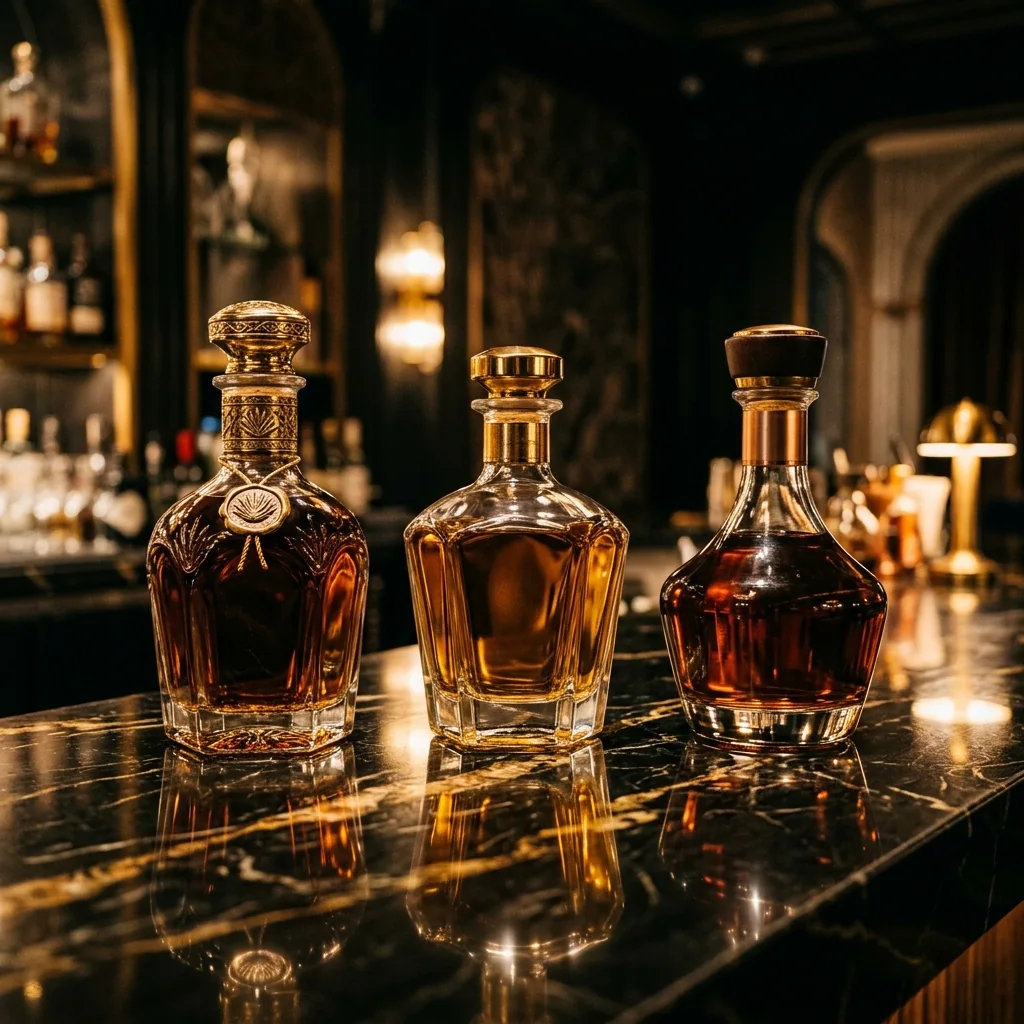
They share ancestors and terroir but split on species, region, and method. A primer on the cousins that make tequila's case deeper, not smaller.
 06
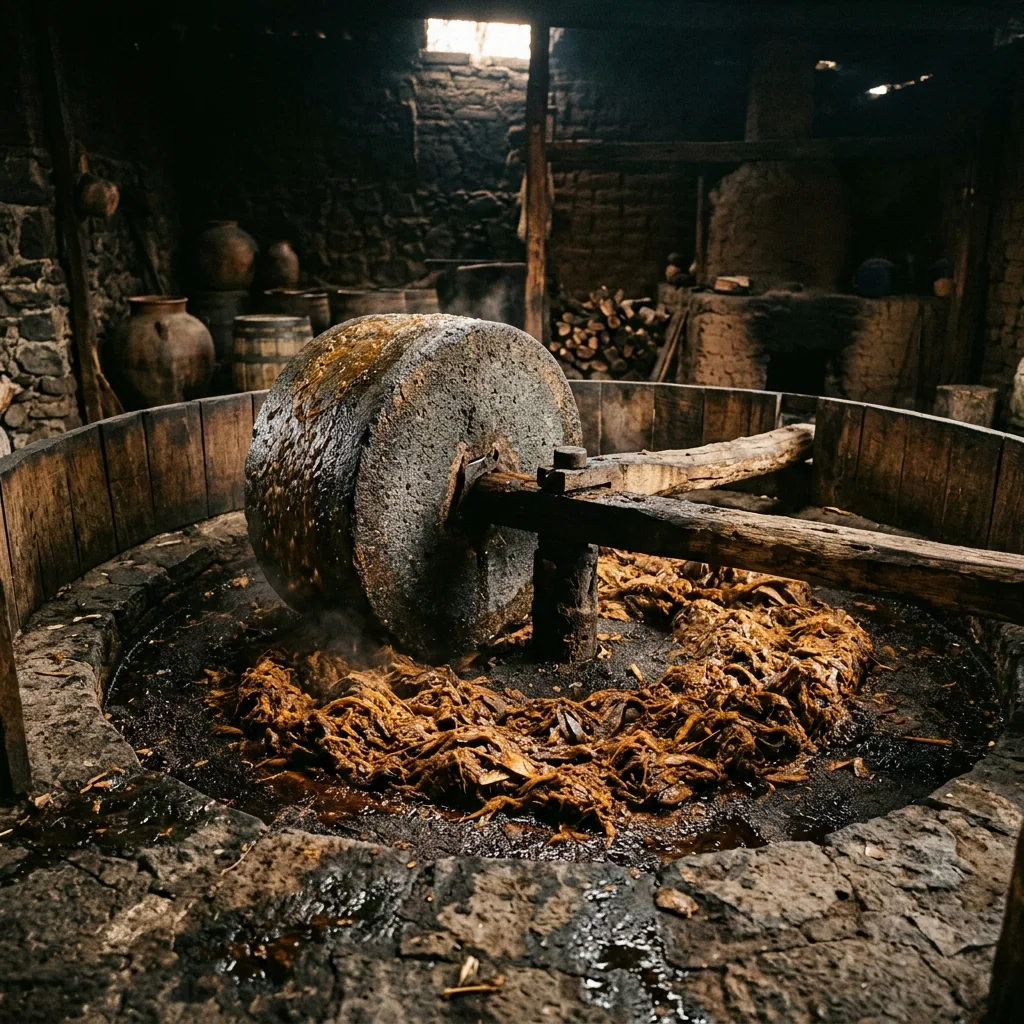
Monoculture is the easy answer and the wrong one. We track bat-pollinated seed lines, return bagasse to the fields, and measure water-per-liter like a sommelier measures acidity. Transparency is the only honest luxury.
 07
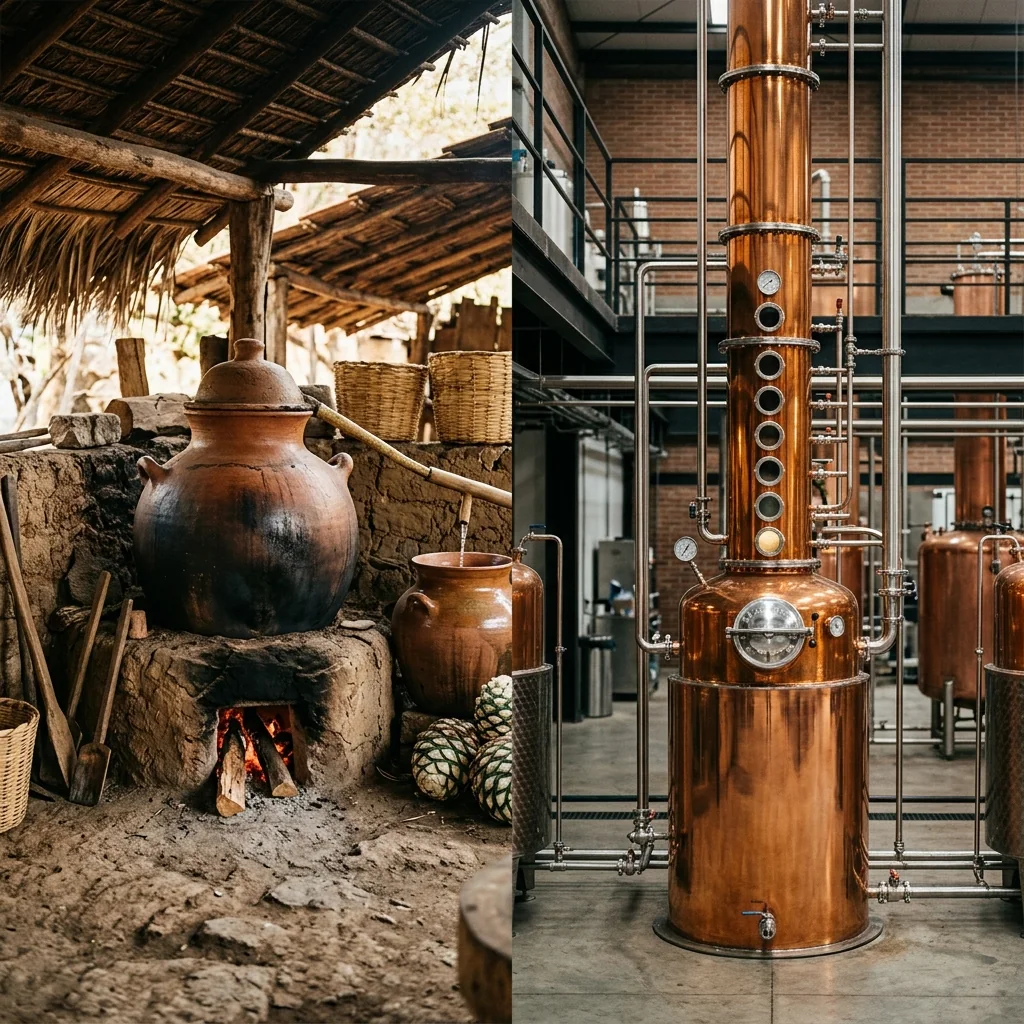
The split happens at the oven: steamed piñas give tequila its clean, citrus backbone; pit-roasted piñas give mezcal its smoke. Here's the working line between them.
Enter Chapter →Every bottle we release starts as an entry in this log. Here's the batch aging right now — filled, tracked, and ready when the wood says it is. Not a minute before.
Crystal. Pepper, green herb, cooked agave right out of the still. The purest argument the plant can make.
A blend of unaged and aged tequilas, or colored with caramel. Sometimes known as oro.
Gold at the edges. Vanilla comes up to greet the agave. Softer nose, longer finish, the spirit in a silk shirt.
Amber. Caramel, dried fig, leather. The barrel's fingerprints are visible. Made for slow chairs and longer arguments.
Aged tequila (usually Añejo) filtered through charcoal to remove color. Keeps the oak flavor but looks like Blanco.
Deep bronze. Cocoa, tobacco, oiled oak. Tequila at sundown. A bottle you open on purpose, once.
Roasted in underground pits, resulting in a distinct smoky flavor. Can be made from over 30 types of agave.
Jimadora Ana Rivera on reading a plant's last summer, and why tequila is a patience instrument.
A block-by-block look at how three degrees of slope rewrites a bottle's character.
From tahona to mosto muerto, the words you'll want the first time you tour a distillery.
Original conceptual illustrations, not photographs of a named producer. Equipment and growing scenes explain general concepts; they do not verify an expression's process or flavor.
Chapter 1 of 12: The Blue Weber Agave
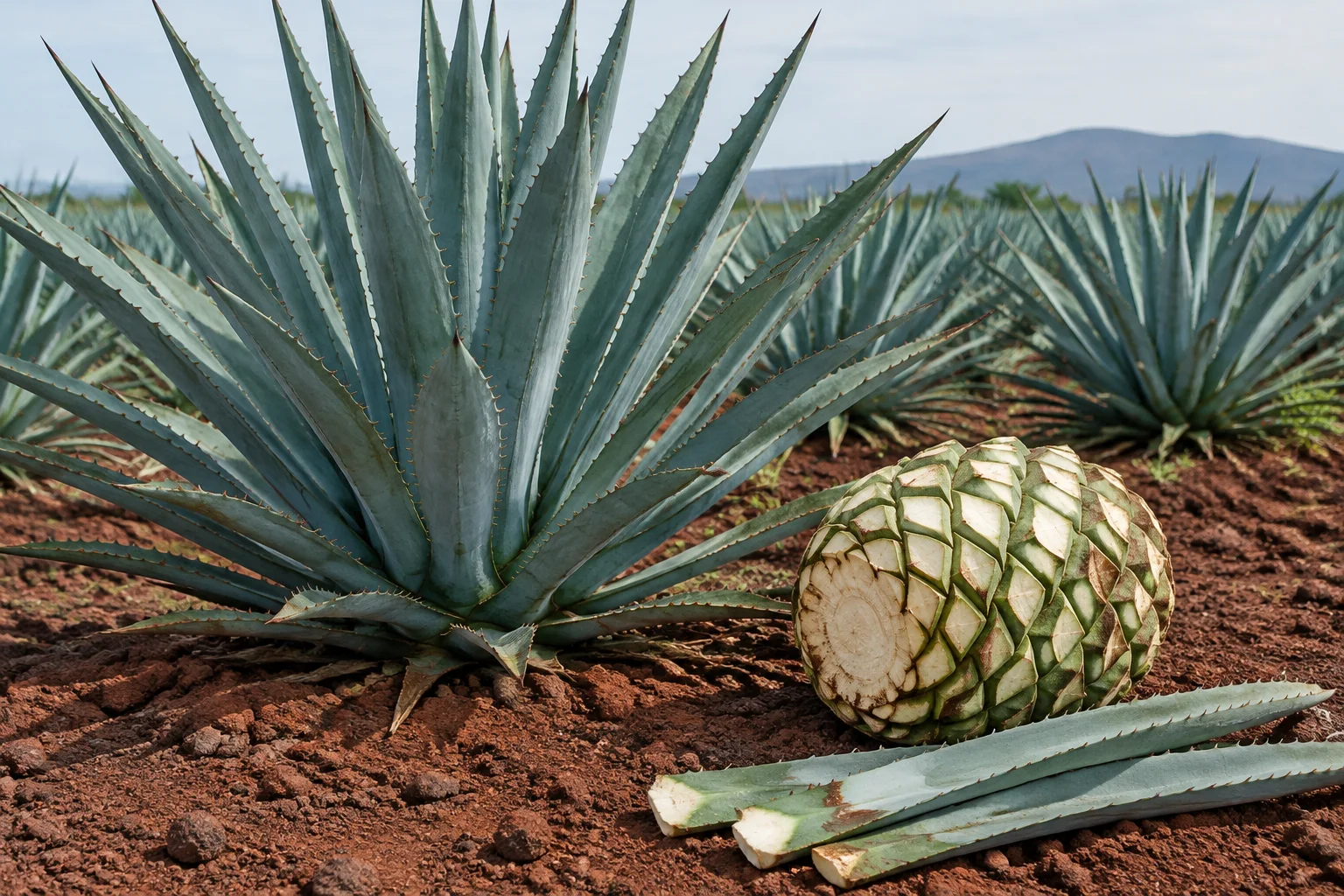
Image: Agave Sole · original AI-generated educational illustration · Project-generated media for preview educational use
Leaves surround the central piña. Harvest removes the leaves before the piña enters production. This conceptual specimen is not a verified botanical cross-section.
Licensed real-world reference photographs shown alongside the conceptual diagram for general context. They do not document Fortaleza, El Tesoro, or any specific reviewed bottle unless proven separately.
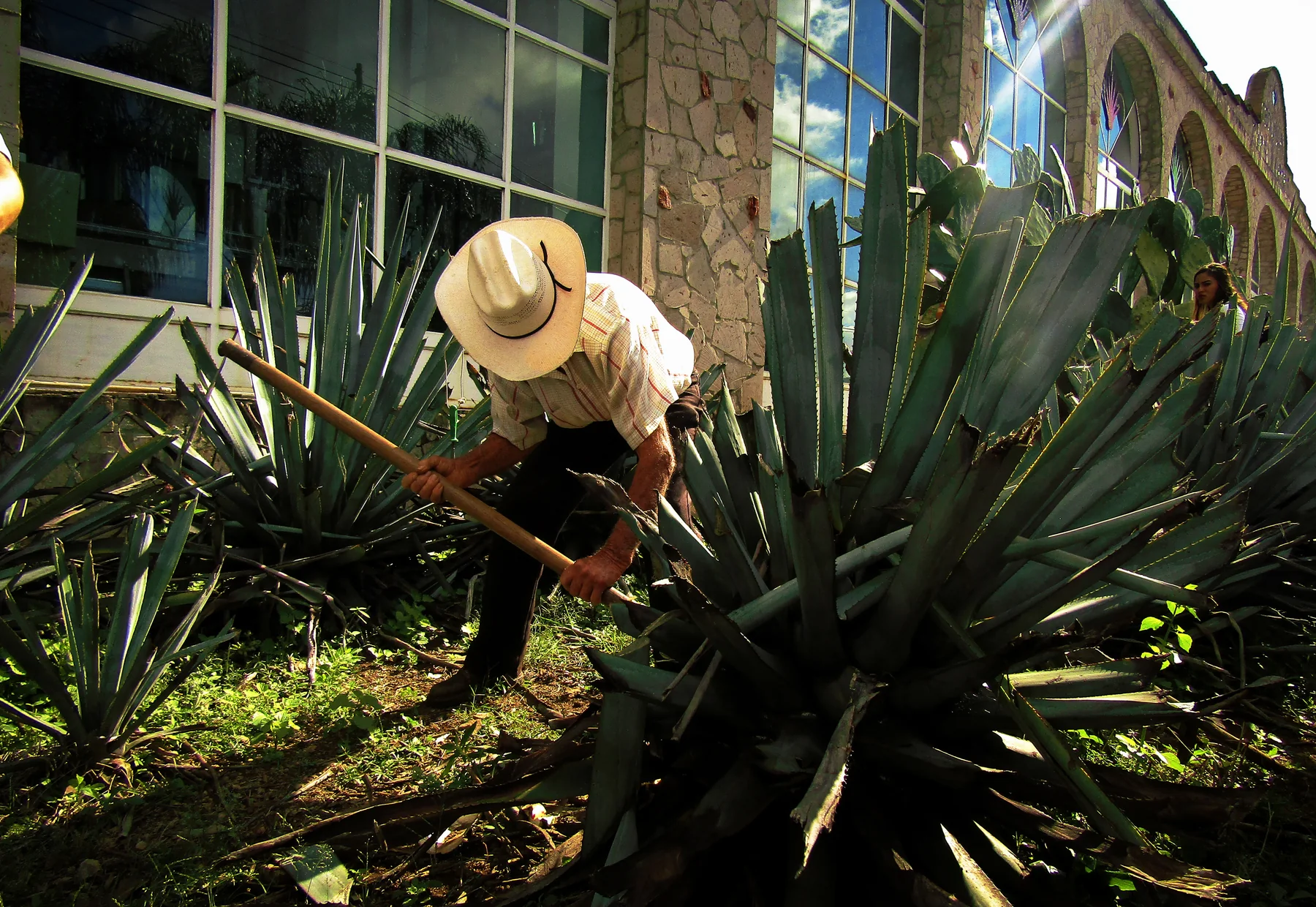
Jimador harvesting blue agave
A jimador trimming blue agave leaves with a coa. No producer or estate is asserted.
Credit: Abel SGarcía · Wikimedia Commons source ↗ · CC BY-SA 4.0 ↗
Resized from 4983×3432 JPEG to 1800×1240 WebP; original framing preserved. Derivative shared under CC BY-SA 4.0; no creator endorsement implied. General educational photograph; not Fortaleza or El Tesoro.
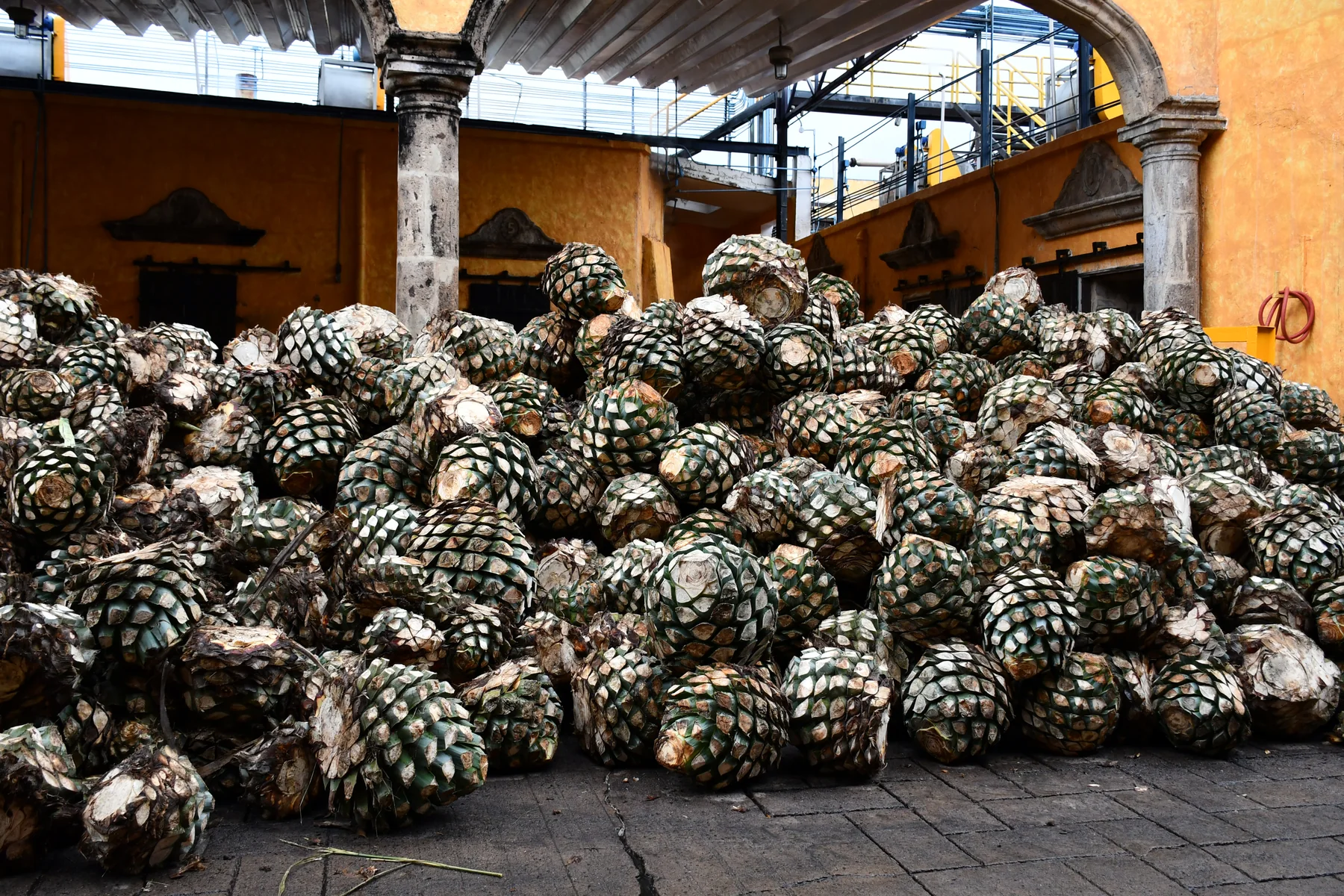
Trimmed agave hearts (piñas)
Trimmed agave hearts (piñas) stacked at José Cuervo's distillery in Tequila, Jalisco.
Credit: Gzzz · Wikimedia Commons source ↗ · CC BY-SA 4.0 ↗
Resized from 5568×3712 JPEG to 1800×1200 WebP; original framing preserved. Derivative shared under CC BY-SA 4.0; no creator endorsement implied. Photographed at José Cuervo distillery (general educational context; not Fortaleza or El Tesoro).
Chapters grow. Batches mature. Every footnote you subscribe to becomes part of the release notes for the next bottle we pour.